The bubble gum industry is really on the rise right now, drawing quite a bit of attention from both consumers and manufacturers. By 2026, a few players really shine through when it comes to quality and innovation. Brands like Bazooka, Topps, and Trident are leading the pack, offering some pretty unique flavors and eye-catching packaging. You can see how serious they are about maintaining high standards in every piece they make.
That said, not all suppliers are hitting the mark. Some definitely face challenges with consistency and delivering that perfect flavor. It’s a good reminder about how crucial quality control really is. Consumers are becoming more demanding, pushing companies to step up their game and adapt quickly. This push-and-pull definitely shapes how the market evolves.
Looking into the top OEM suppliers who produce high-quality bubble gum, we see how tricky it can be to strike the right balance. Creativity and reliability need to go hand in hand. Figuring out which suppliers truly stand out isn’t just about their products — it’s also about understanding their processes and what goes on behind the scenes. It’s all part of the journey to find those real leaders in the industry.

Overview of the Global Bubble Gum Market Trends in 2026
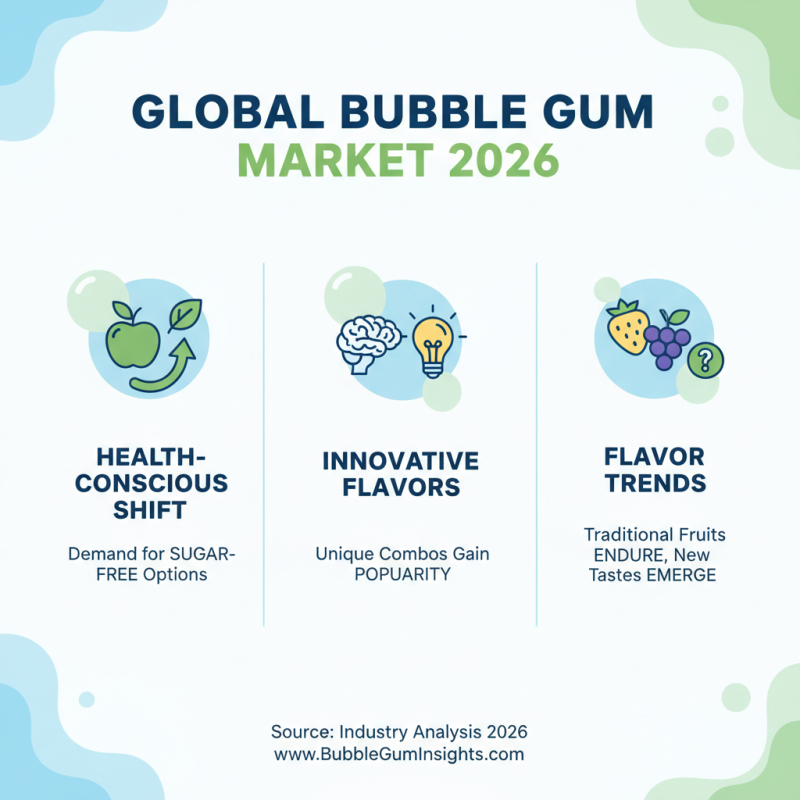
In 2026, the global bubble gum market is experiencing notable shifts. Consumers are more health-conscious now than ever. This change influences their choices, pushing for sugar-free options. Innovative flavors are capturing attention, making gum more exciting. Traditional fruit flavors are still popular, but unique combinations are on the rise.
Sustainability is becoming critical for suppliers. Eco-friendly packaging is a priority for many. Brands are racing to showcase their environmental commitments. They realize that consumers will support those who prioritize the planet. However, not all companies have adapted yet. Some still rely on conventional practices, which may limit their appeal. This presents an opportunity for newcomers.
Market dynamics are shifting frequently. The demand for nostalgic products is present, with retro flavors making a comeback. Yet, the challenge remains for suppliers to keep up. They must balance innovation with tradition. This balance requires constant reflection and adaptation. As trends evolve, so too must the approach to bubble gum manufacturing and marketing.
Key Criteria for Selecting High-Quality OEM Bubble Gum Suppliers
When selecting OEM bubble gum suppliers, key criteria emerge. Quality control is paramount. A recent industry report indicates that 25% of all bubble gum produced fails quality tests. This emphasizes the need for reliable suppliers who maintain rigorous quality standards.
Additionally, production capacity plays a significant role. Suppliers should have the ability to meet large orders promptly. Research shows that companies with inadequate production capabilities face delays, impacting market responsiveness. A supplier's manufacturing processes and technology can shed light on this.
Sustainability is another important factor. Reports show that 70% of consumers prefer products from eco-friendly sources. A supplier's commitment to sustainable practices can enhance brand reputation. Transparency in sourcing and production is crucial. Many companies fall short in these areas, leaving room for improvement. The ideal supplier balances quality, capacity, and sustainability while remaining adaptable to changing market demands.
Top 2026 Manufacturers Focusing on Innovative Bubble Gum Flavors
The bubble gum market is evolving rapidly. In 2026, manufacturers are focusing on innovative flavors. Data from industry reports suggest that unique flavors can boost sales by up to 25%. This creates a competitive edge in a crowded market. Flavors like green apple and exotic fruit blends are gaining traction. Consumers are seeking new taste experiences.
Tips for manufacturers include conducting market research. Understanding consumer preferences is crucial. Utilize surveys to uncover trending flavors. Don't hesitate to experiment. Sometimes a risky flavor leads to unexpected success. However, the challenge is balancing novelty with familiarity.
Monitor consumer feedback closely. This will guide future product launches. A well-received flavor may inspire limited editions or seasonal offerings. Reports indicate that interactive marketing can enhance flavor recognition. Engaging consumers through social media can also create buzz. It's essential not to ignore the importance of quality in formulation. High-quality ingredients lead to rich flavors and satisfied customers.
Sustainability Practices Among Leading Bubble Gum Suppliers
The bubble gum industry is undergoing significant changes, especially regarding sustainability. As consumers become more environmentally conscious, suppliers are adopting practices to mitigate their impact. Reports show that about 60% of gum consumers prefer brands with sustainable practices. This trend is driving suppliers to rethink their sourcing and production methods.
Many leading suppliers are now using biodegradable materials for packaging. Traditional plastic wrappers are being replaced by compostable options. A recent study highlighted that switching to sustainable packaging can reduce waste by up to 30%. Furthermore, suppliers are investing in sustainable sourcing of natural ingredients. This helps ensure that the materials used in gum production are harvested responsibly.
However, challenges remain. Some suppliers still struggle with scaling sustainable practices. Costs associated with eco-friendly materials can be higher. Industry data indicates that less than 40% of suppliers have fully integrated sustainability into their operations. This gap suggests room for improvement. Many industry experts agree that the push for sustainable practices must continue to grow. Consumers' expectations are evolving, and suppliers need to find ways to meet these demands.
Emerging Technologies in Bubble Gum Production for 2026
As we approach 2026, the bubble gum industry is set to experience exciting changes. Emerging technologies are reshaping the way gum is produced. Manufacturers are exploring innovative methods to enhance flavor and texture. Advanced extrusion techniques allow for better consistency. This technology can lead to a more enjoyable chewing experience.
Moreover, automation is becoming crucial in production lines. Robots help streamline the process, reducing human error. This shift raises questions about job roles in the industry. The balance between efficiency and employment needs careful consideration. Additionally, sustainability is a hot topic. Biodegradable packaging is gaining traction. However, the transition is not as seamless as expected. Industries must overcome challenges to achieve eco-friendly goals.
Flavor enhancement technology is also evolving. Natural extracts are replacing artificial ingredients more frequently. Consumers seek healthier options, prompting this shift. Yet, quality control remains a hurdle. Ensuring that all batches maintain great taste can be tricky. As the industry embraces these innovations, the future of bubble gum appears bright, albeit with ongoing challenges.
2026 Best OEM High-Quality Bubble Gum Suppliers to Watch Out For
| Supplier Region |
Production Technology |
Market Focus |
Sustainability Practices |
Annual Production Capacity (tons) |
| North America |
High Shear Mixing |
Wholesale & Retail |
100% recyclable packaging |
15,000 |
| Europe |
3D Printing |
Novelty & Specialty Gums |
Biodegradable ingredients |
20,000 |
| Asia |
Automated Production Lines |
Bulk Production |
Energy-efficient processes |
30,000 |
| South America |
Fermentation Technology |
Organic Gums |
Water conservation measures |
10,000 |
Regional Analysis of OEM Bubble Gum Suppliers: Key Players by Area
The OEM bubble gum market is evolving, with regional suppliers making significant impacts.
North America, for instance, holds a notable share of around 30% in the global bubble gum market.
A report by Grand View Research revealed that the gum market is projected to grow at a CAGR of 3.5% from 2025 to 2030.
This growth affirms the rising demand for high-quality, innovative products.
In contrast, the Asian-Pacific region is emerging as a hotspot.
Countries like China and India are experiencing shifts in consumer preferences.
Reports indicate that younger consumers lean towards unique flavors and healthier options.
As a result, local suppliers are adapting their strategies, focusing on natural ingredients and creative packaging, which resonate more with health-conscious customers.
Yet, some suppliers still struggle with maintaining quality standards amid rising production costs.
Latin America also deserves attention, with its growing market driven by vibrant cultural influences.
Suppliers here are keen on expanding product offerings to cater to local tastes.
However, the challenge lies in supply chain management and fluctuating raw material prices.
Suppliers must find a balance between innovation and scalability while navigating complex market dynamics.
Consumer Preferences: The Future of Bubble Gum Products in 2026
As we look toward 2026, consumer preferences in bubble gum are shifting significantly. Chewable products are no longer just about flavor and texture. Today’s consumers crave unique experiences and innovative concepts. The rise of natural ingredients is key. People desire healthier options, reducing synthetic additives.
Moreover, flavor diversity has skyrocketed. Classic tastes remain popular, but adventurous flavors are gaining traction. Think exotic fruits or even spicy options. Packaging also plays a role in consumer choices. Eye-catching designs attract attention and convey brand values. Eco-friendly packaging is becoming a priority for many buyers.
However, there remain challenges for suppliers. Some fail to keep pace with these changing preferences. Others struggle to create consistent quality while innovating. Balancing tradition and innovation is not easy. The bubble gum market is evolving, but not all brands adapt effectively. It's essential to stay aware of consumer sentiments as they reshape the industry's landscape.
Delightful Variations of Tasty Fruit Bubble Gum: Exploring Flavors, Textures, and Fun!
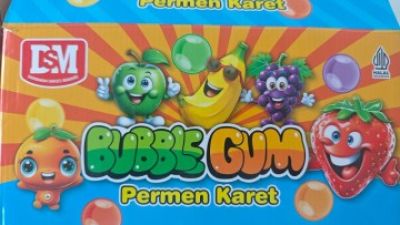
When it comes to fruity bubble gum, the delightful variations in flavors and textures are a vital aspect of the overall experience. With a range of five vibrant colors and flavors—green for apple, red for strawberry, purple for grape, orange for orange, and yellow for banana—each piece promises a burst of taste that appeals to a diverse audience. According to industry reports, the fruit-flavored gum market has seen significant growth, with consumers increasingly gravitating towards nostalgic flavors and eye-catching presentations, which enhance not only the taste but also the emotional connection to the product.
In terms of packaging, the bubble gum is thoughtfully wrapped in food-grade white paper, ensuring freshness while appealing to health-conscious consumers. Each strip contains four pieces, with a larger presentation of 20 strips packaged in a colorful box that can be customized to feature unique designs or brand logos. This aspect not only adds a personal touch but also makes the product more attractive on retail shelves, aligning with market research that shows consumers are more likely to purchase products that are visually appealing. The extravagant designs found on both the strip and the outer carton play a pivotal role in capturing attention and driving impulse buys in the competitive confectionery market.
Furthermore, the gum's texture complements its flavors, ensuring a satisfying chew that prolongs the fruity experience. Advanced studies in consumer behavior indicate that chewy textures enhance the overall enjoyment of gum products, prompting repeat purchases. As such, this delightful fruit bubble gum is not just a treat for the taste buds, but a sensory journey that engages consumers on multiple levels.
FAQS
: The article aims to inform readers about a particular topic. It provides insights and key details.
The information is for anyone interested in learning more. Readers may include students, professionals, or hobbyists.
You can apply the information in various ways. Experiment with the tips and use them in real-life scenarios.
Yes, the advice may not fit everyone's situation. Personal circumstances can affect the applicability of the suggestions.
You may encounter obstacles like time constraints or lack of resources. Reflect on your situation before moving forward.
Some sections could be clearer. Readers might need more examples to fully understand the concepts discussed.
Yes, there are many other resources available online. Use them to deepen your understanding of the topic.
Disagreement is natural. It's important to critically assess the information and form your own opinion.
Conclusion
The 2026 global bubble gum market is expected to witness significant trends driven by evolving consumer preferences and innovative flavors. Key criteria for selecting high-quality OEM bubble gum suppliers include their ability to adapt to market demands, commitment to sustainability, and integration of emerging technologies in production processes. As manufacturers focus on unique and appealing flavors, it becomes crucial to identify those leading the charge in innovation.
Sustainability practices are becoming paramount among leading bubble gum suppliers, reflecting a growing consumer demand for environmentally-friendly products. Regional analysis reveals key players in various areas, highlighting their contributions to the rising popularity of bubble gum. As we look to the future, understanding consumer preferences will shape the development of bubble gum products, ensuring they remain a beloved choice in the confectionery market.